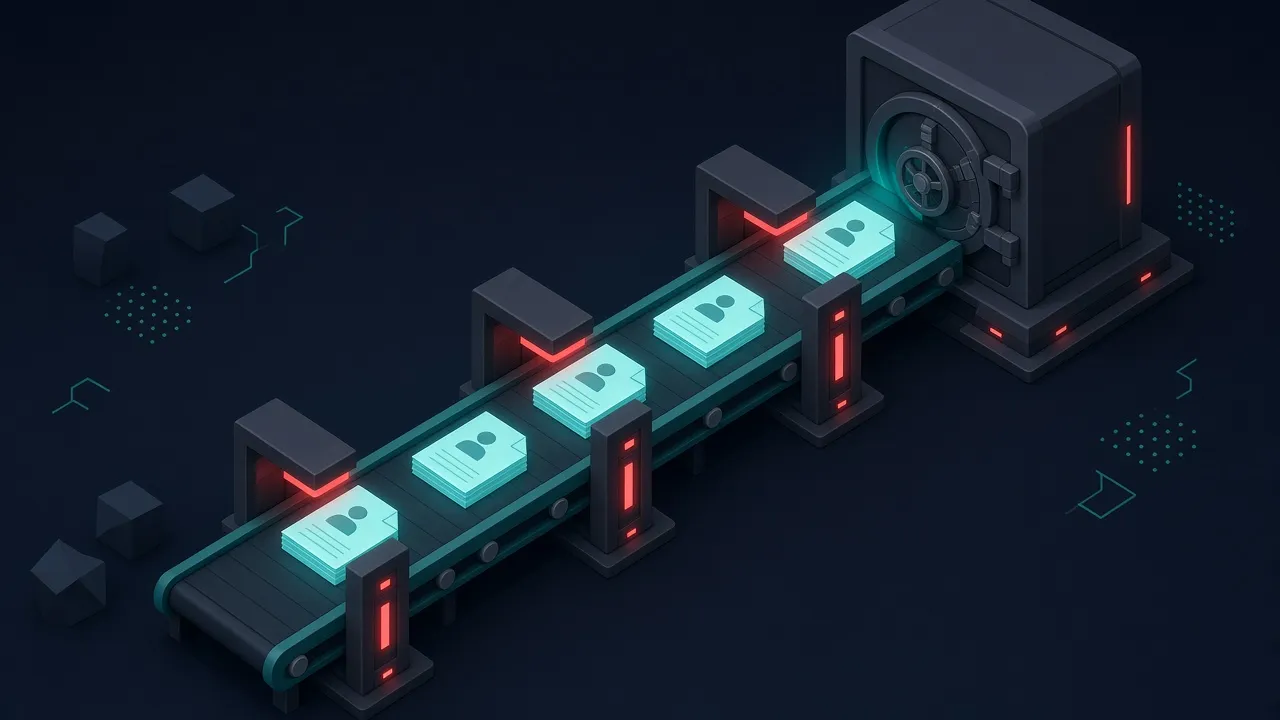
Paraform Flips the Order of Hiring
Hiring managers see candidates first, and AI only makes the first-pass call
How individual companies put AI to work, rebuilt from primary sources.
Hiring managers see candidates first, and AI only makes the first-pass call
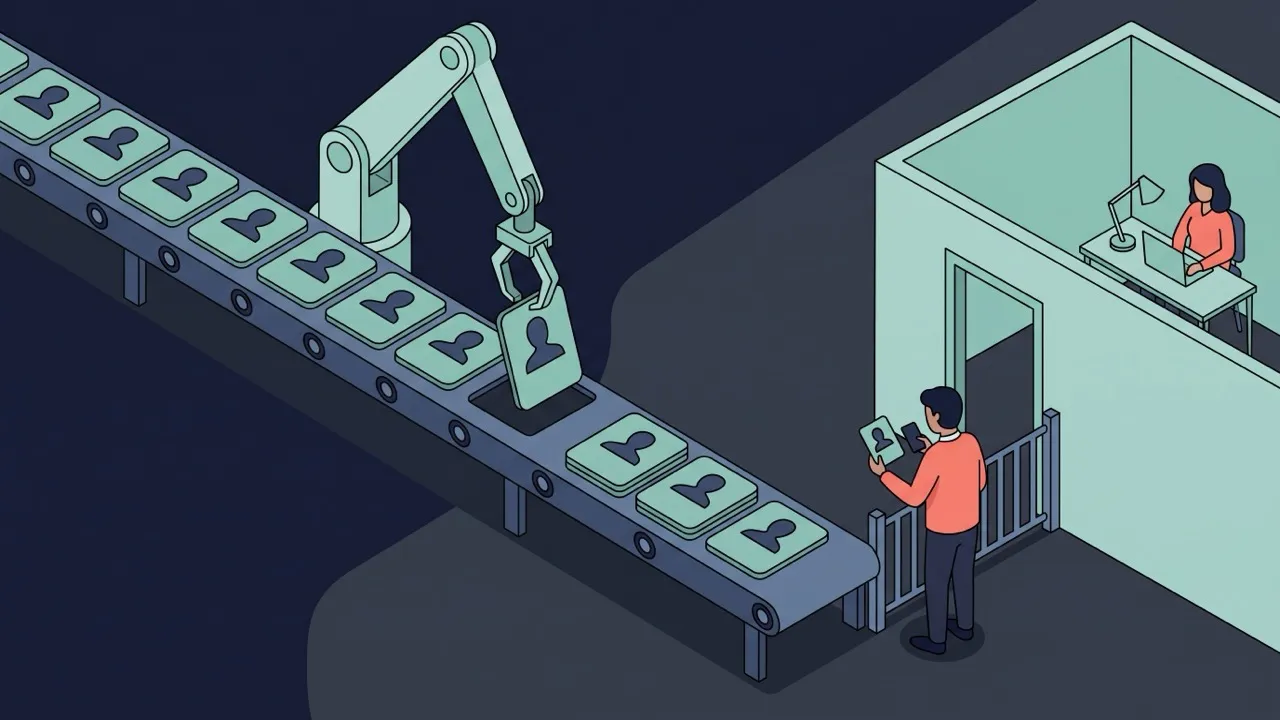
Five agents plan the experiments and researchers confirm at only three points
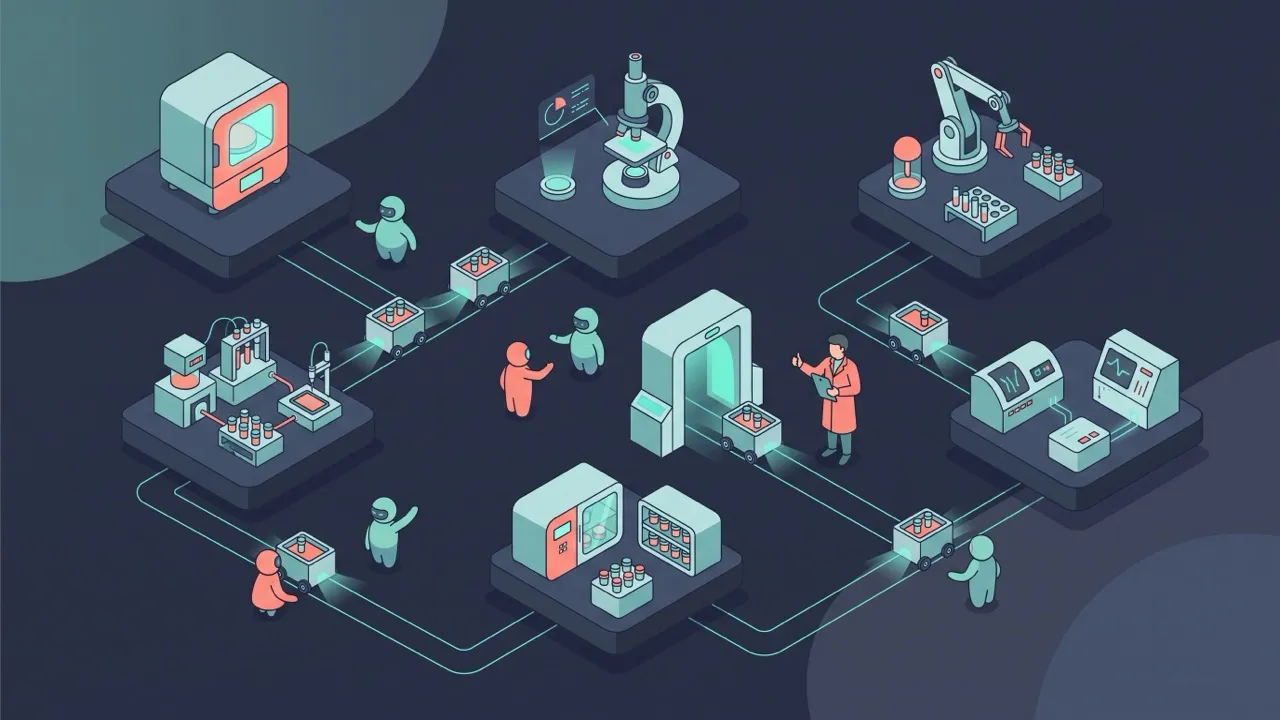
Over half of the successful 4–8 hour tasks had human intervention
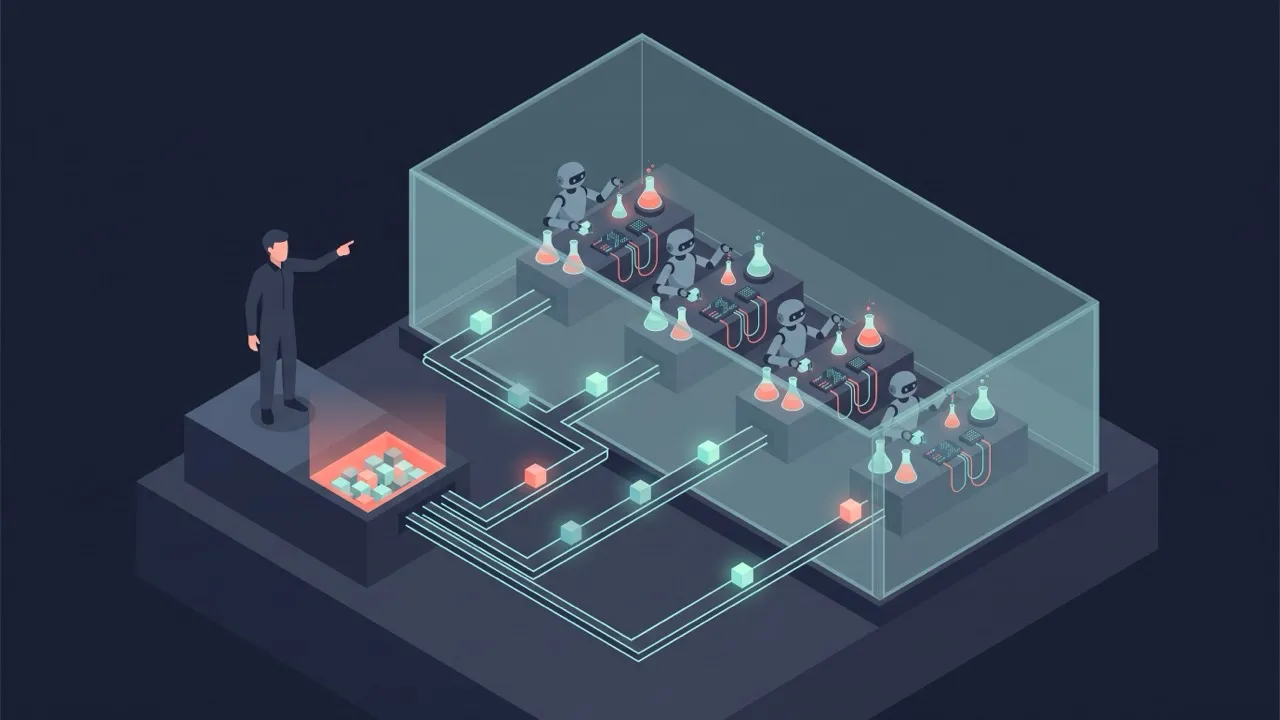
Agents work six times the staff hours, yet about 80% of sessions sit waiting
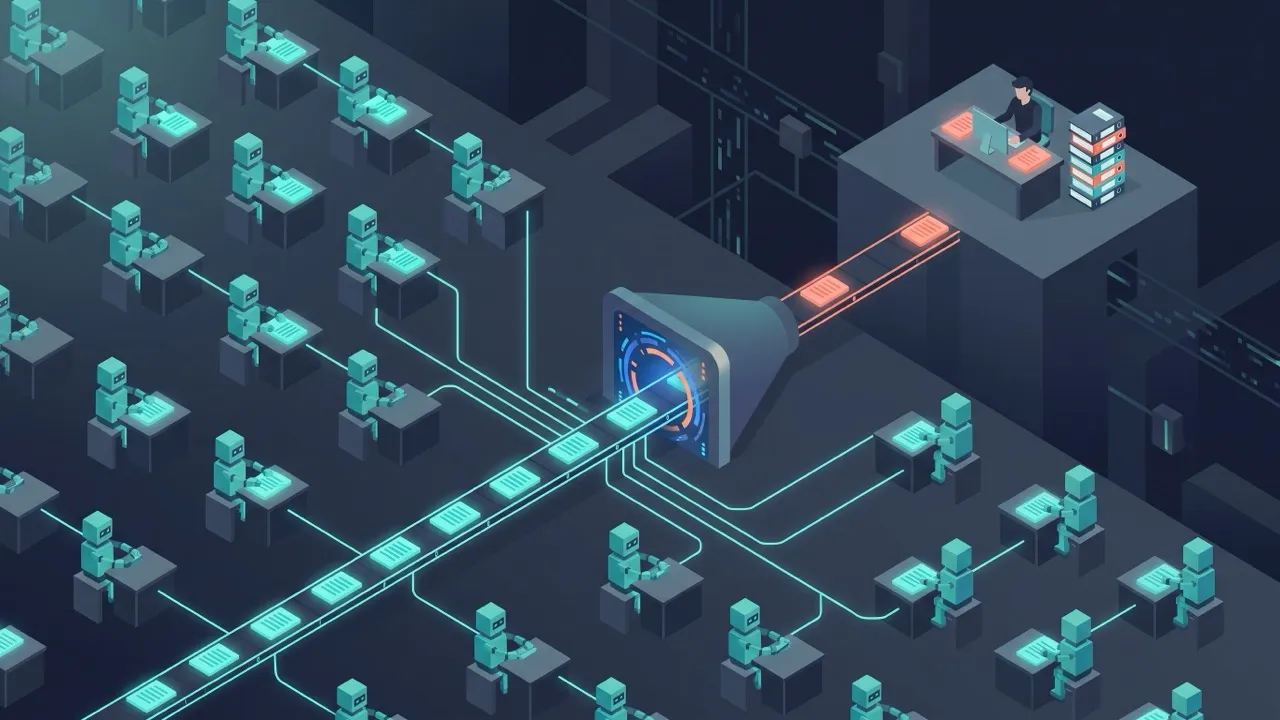
A team that stopped hand coding and moved to planning, review, and recording lessons
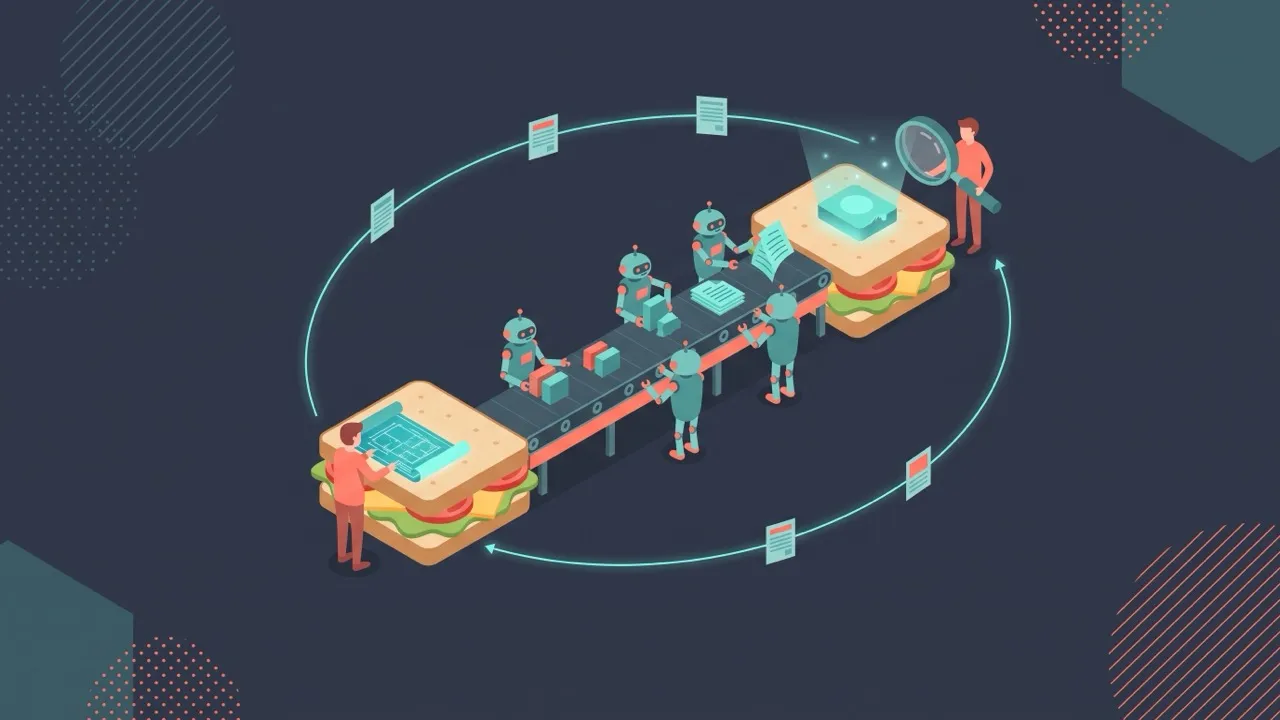
Insurance lines 77% auto-confirmed, staff review only the 23% exceptions
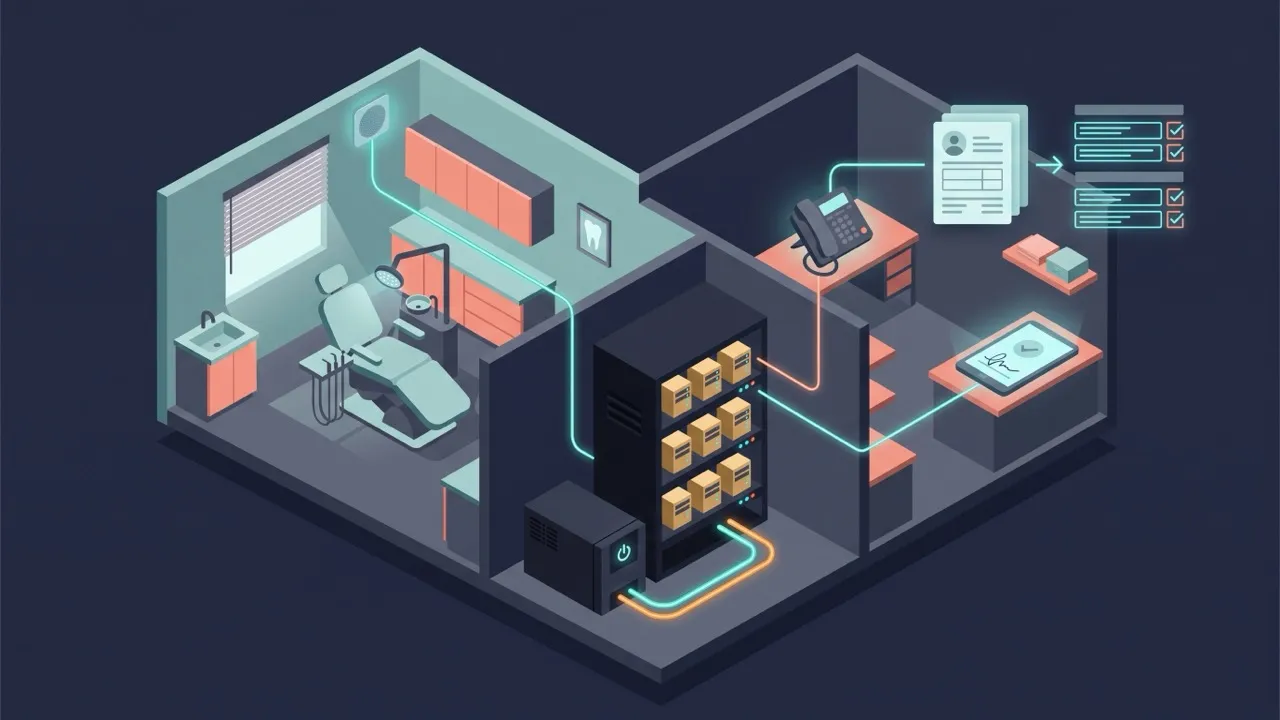
Response rules that absorbed logistics-delay inquiries without adding staff

From about 50% at launch, it improved as the agent learned to hear out customer intent

A spending cap on each run lets it buy only the paid data it needs, in real time
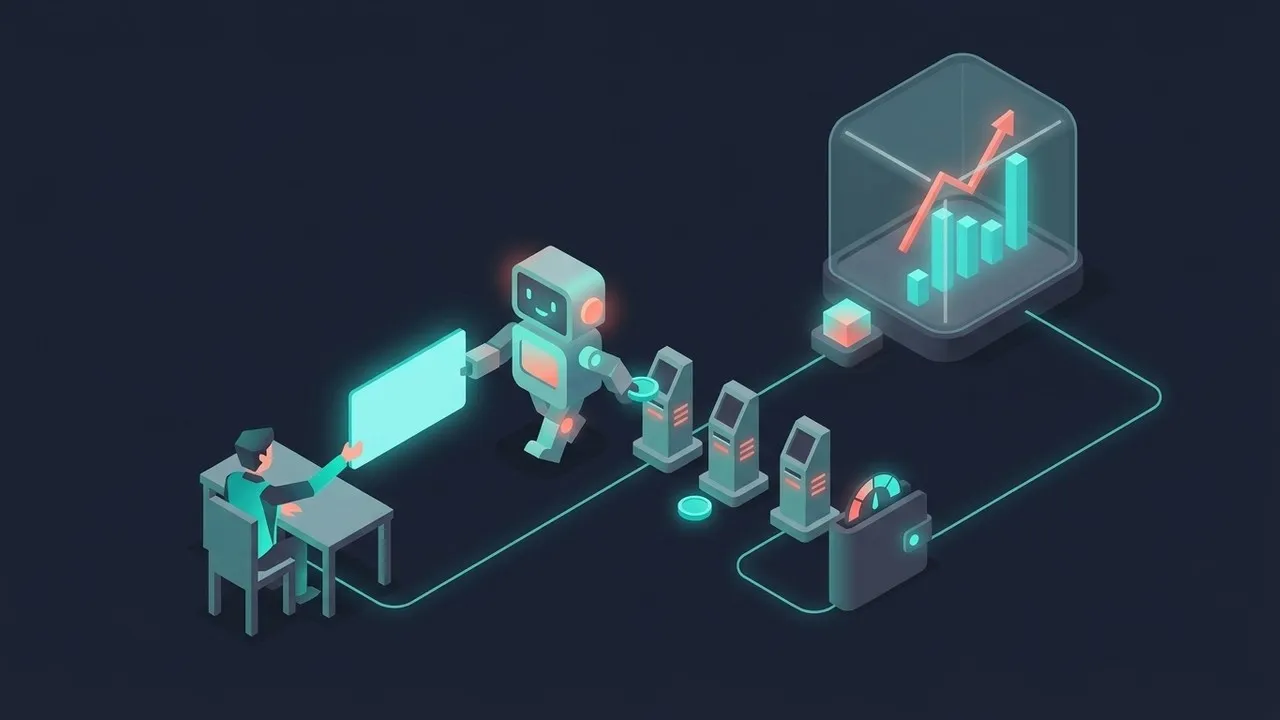
Cross-review between different models filters out bias and defects
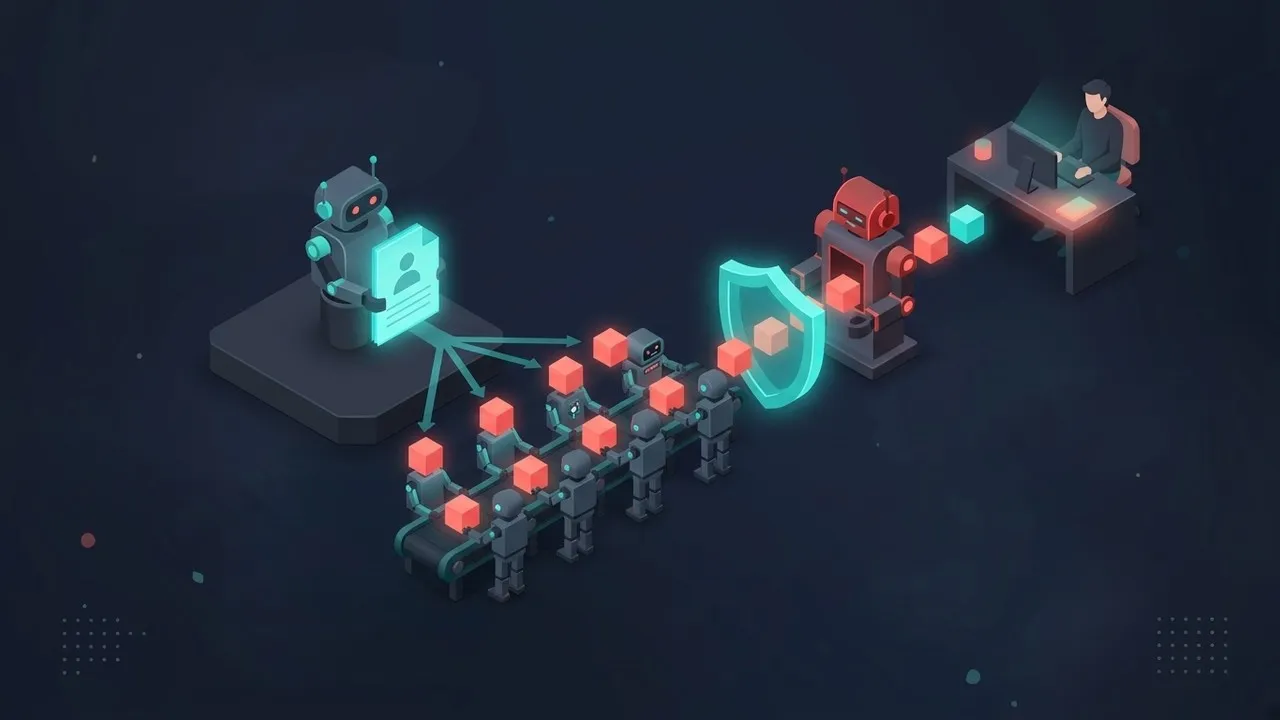
A prompt ten A4 pages long corrected the AI's habit of reading the company's own remarks too kindly
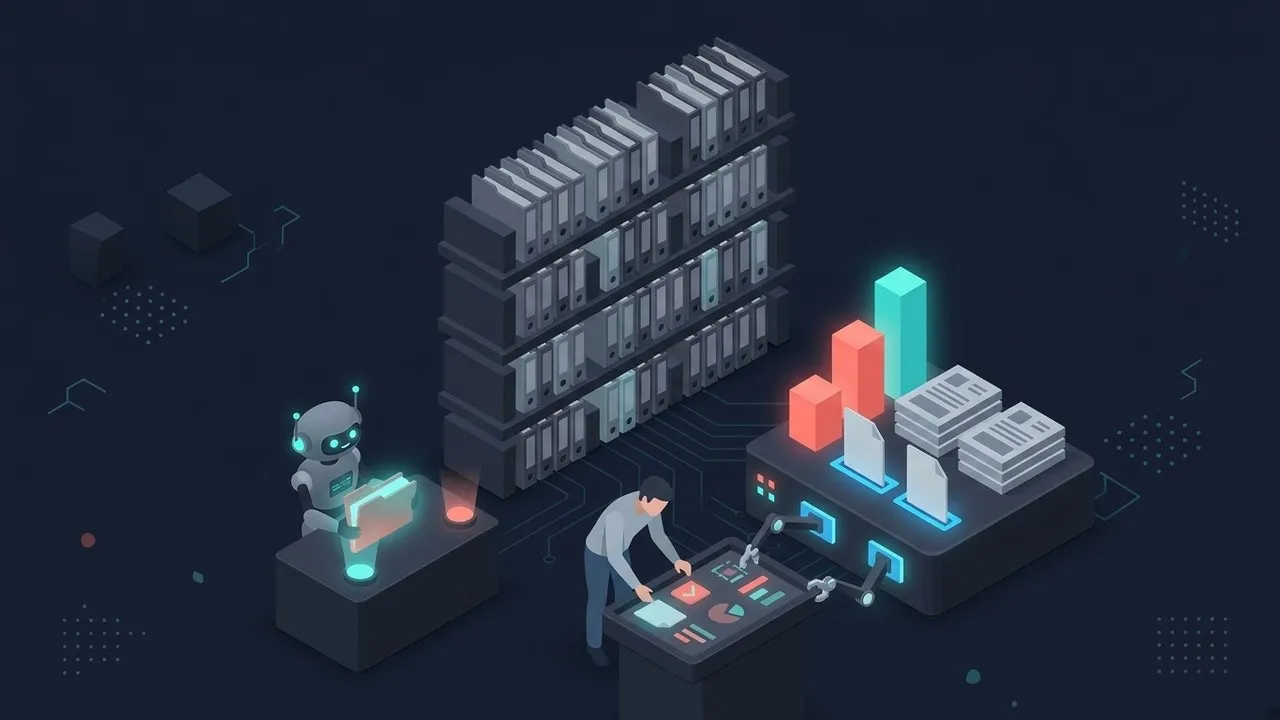
How 23 people handle 50 million users' questions while holding 84% satisfaction
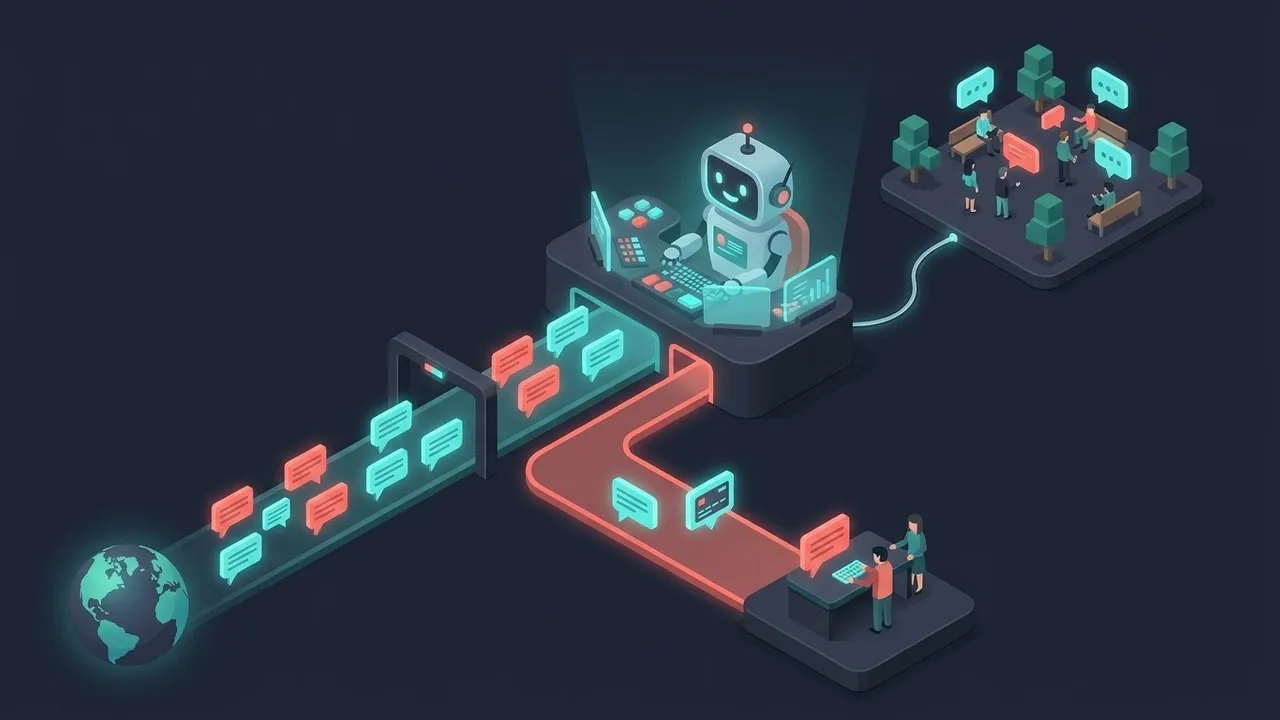
An operating model that began with 10% of chats and came to resolve 68% of the chats Fin handled
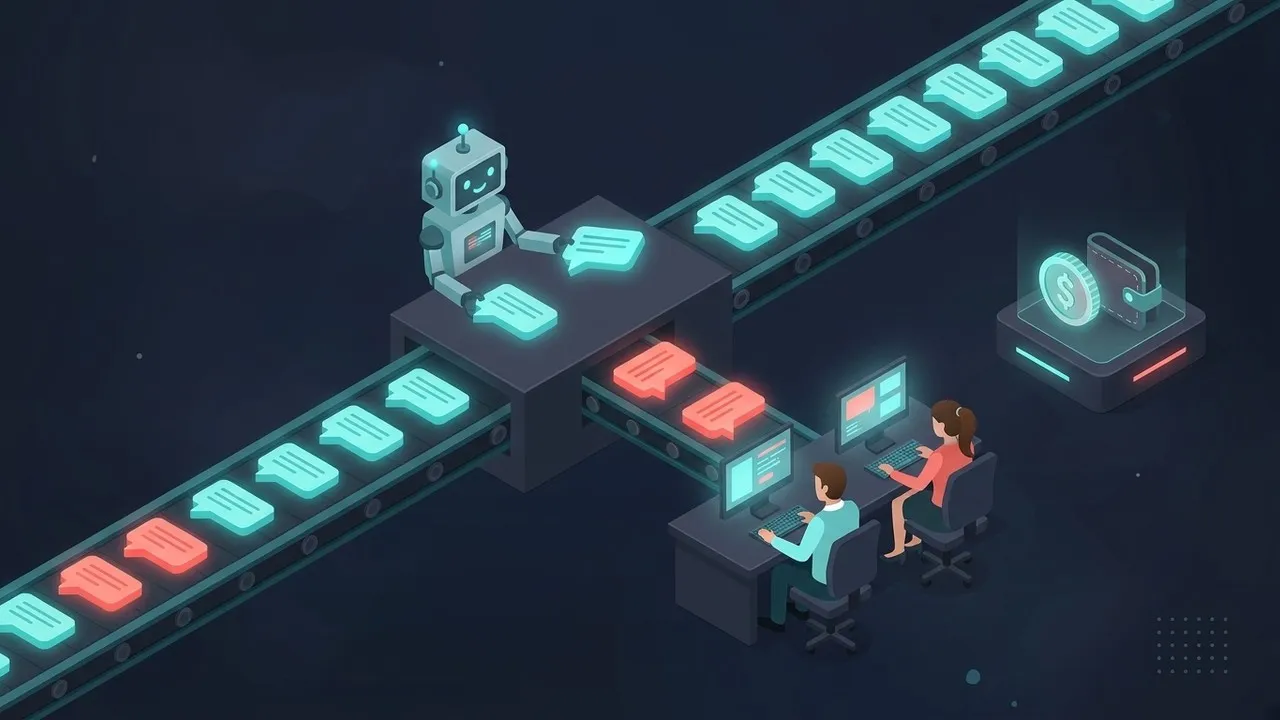
Why it stopped all development and switched to AI agents
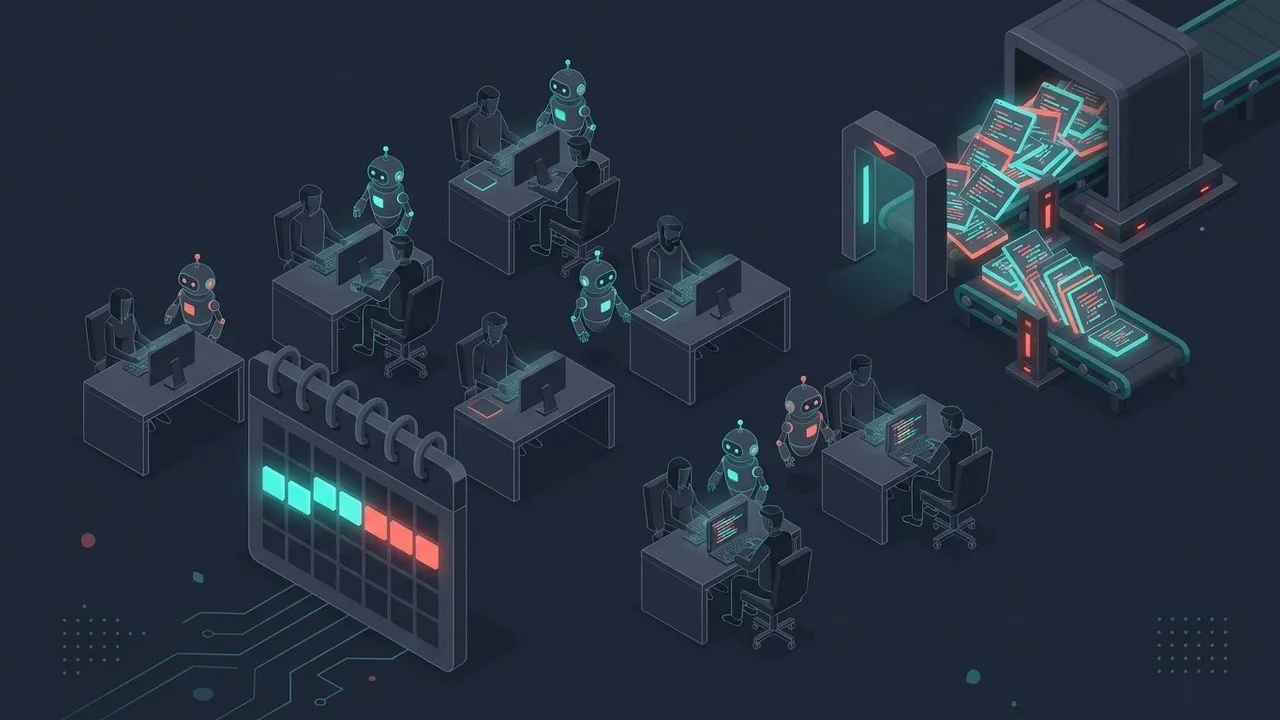
It runs on prompts and tool settings alone, with no orchestration code

Verifiers and an LLM judge blocked changes that went beyond the instructions

It banned outcome-only prompts and turned failures into evaluation assets
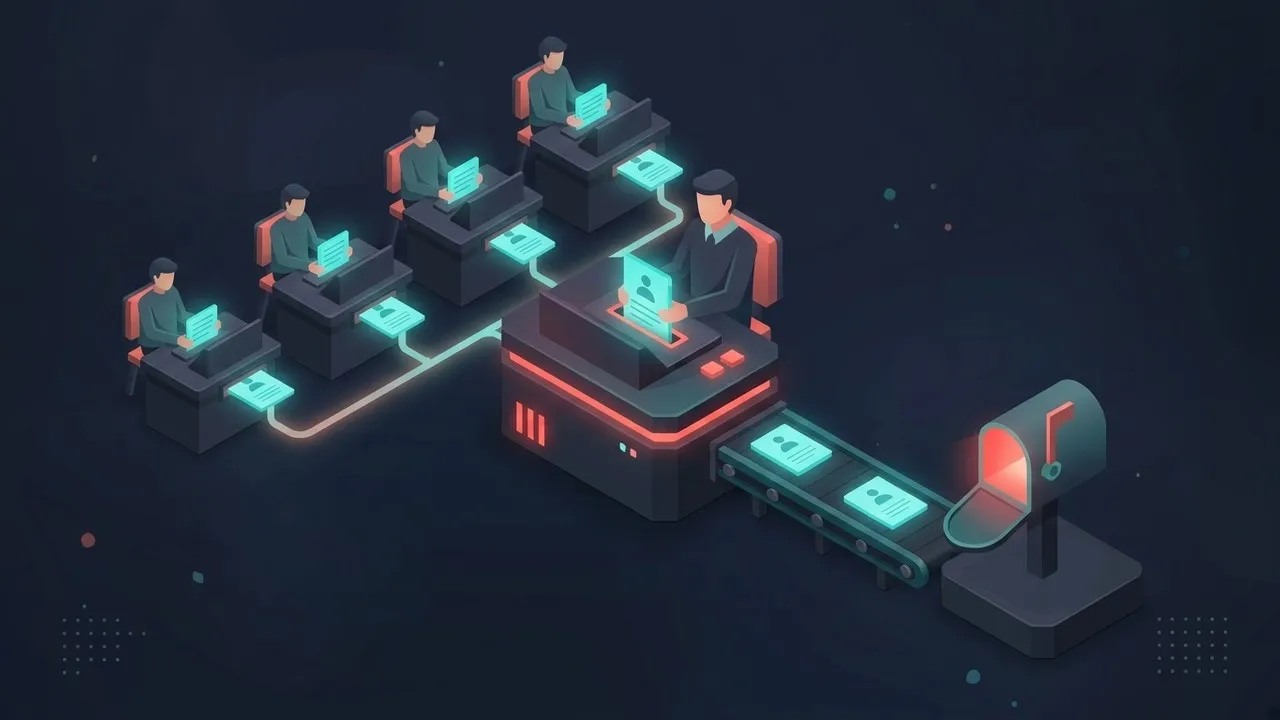
Builds cut to 2–3 minutes to give agents a fast feedback loop

An agent running in two weeks on a standard template revived sales opportunities
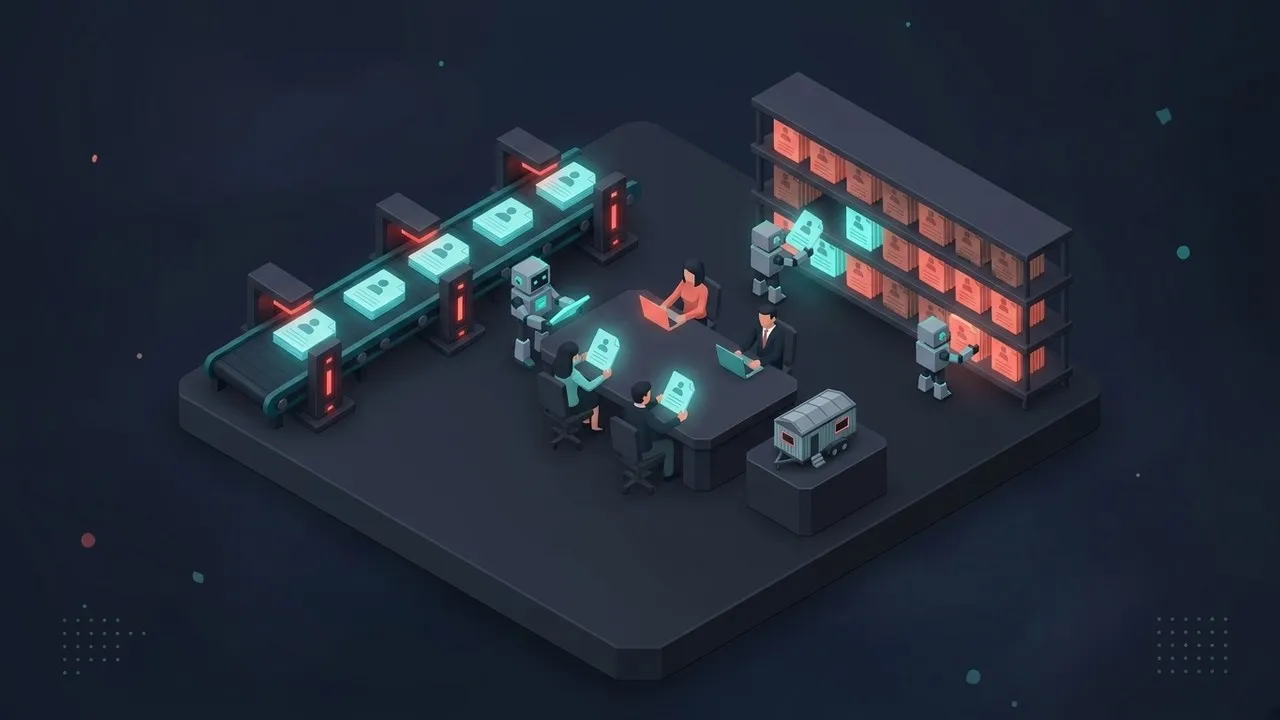
AI handles 28% of calls, and average call time drops 30–50%
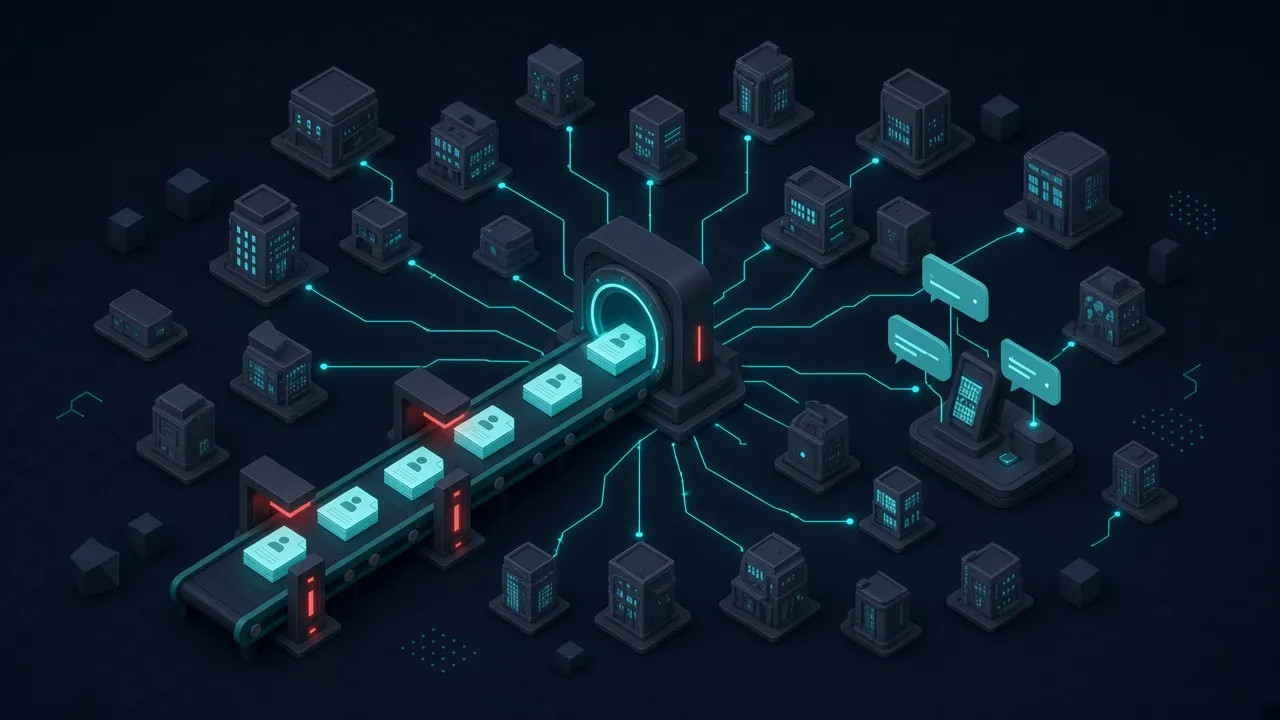
A three-layer automation that tracks 1,500 accounts and lifted meetings by 15%

Support and sales adopted AI first, with no cap on tokens and a spending leaderboard
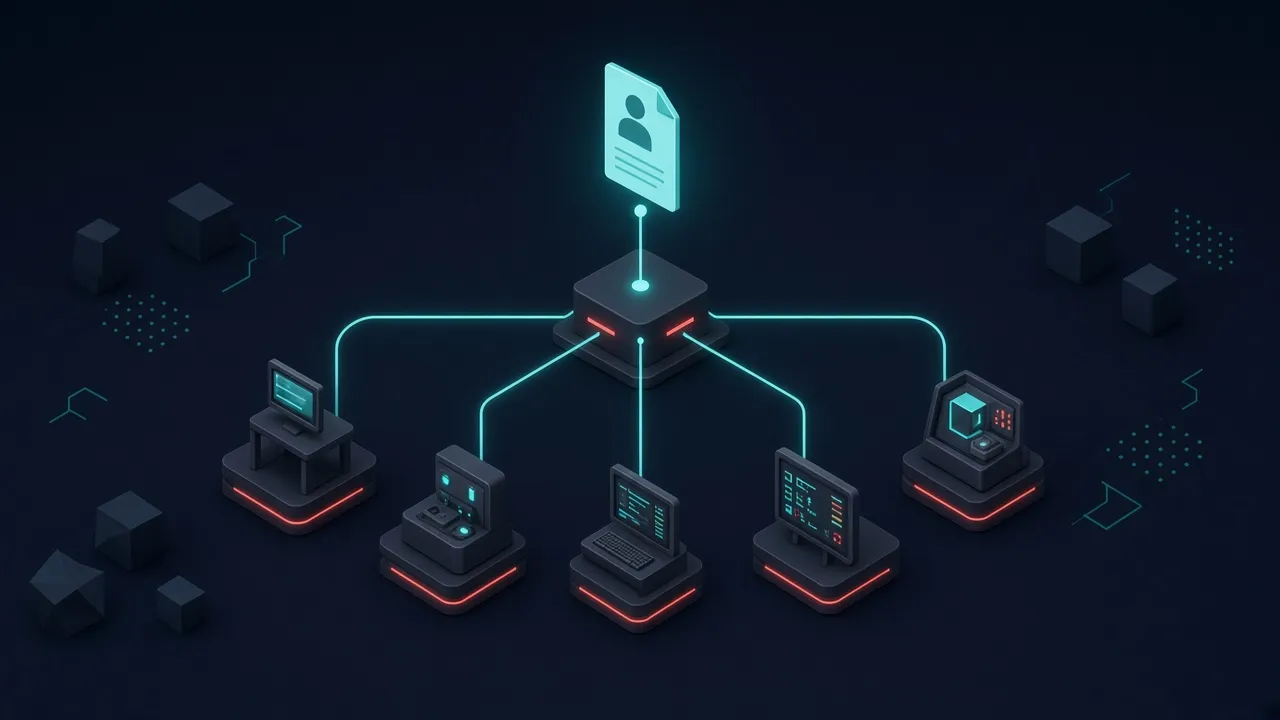
How 15 agents finished a framework switch that used to take six months

Fin handles 84% of pre-purchase questions and removes the response lag

Live support that keeps pace with same-day production, and instant cancellations
Expanding from in-app chat to email, it reached a resolution rate of up to 50%

How narrow, well-bounded tasks let an agent fill 18% of all change requests

Faster development exposed bottlenecks in planning, design and QA, and it fixed them

AI that never leaves the inbox speeds up pre-bind underwriting by 80%
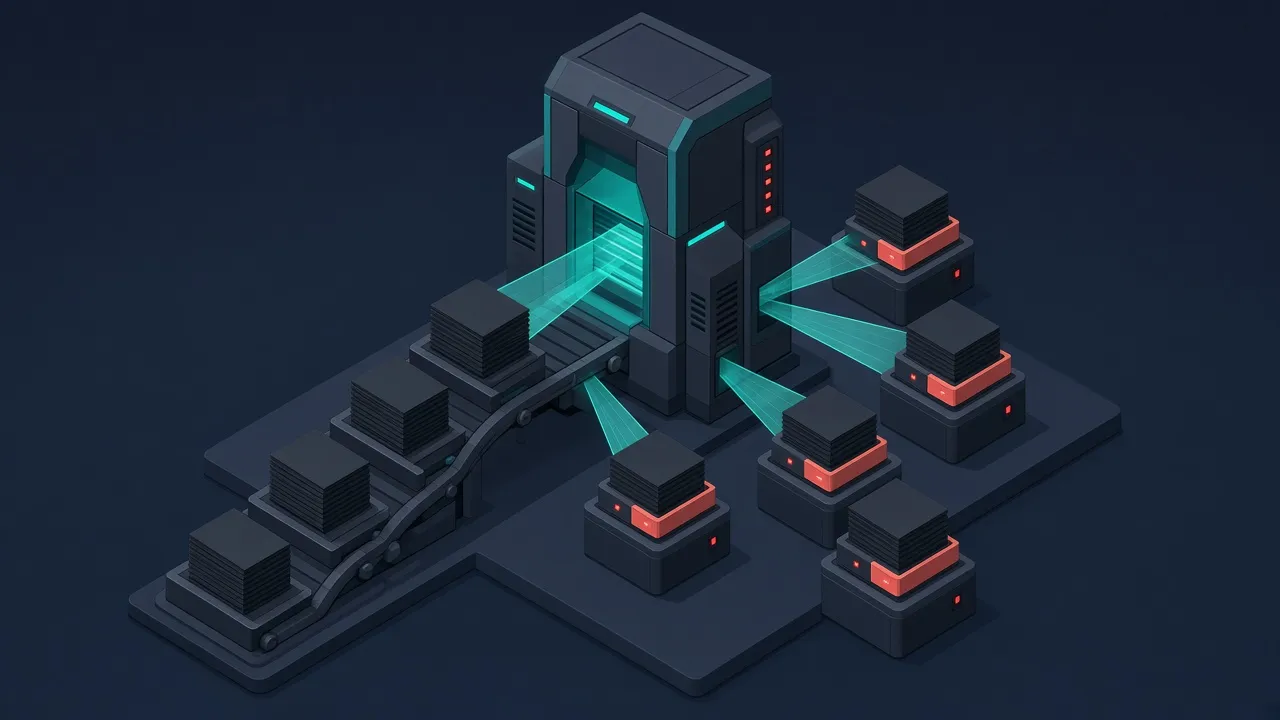
Tickets take 2–3 minutes, and one engineer moved 60 services in a week

Idea to first PR in under 30 minutes, and release time cut to 1.8 days

It handles 1,800 tasks a day and writes about 10% of merged pull requests

Ticket assignment done with an Okta identity lookup and a single emoji

How a four-person team raised throughput 50% without new hires and resolved issues three days sooner

Turning accountants' flowcharts into prompts saves more than 3,500 hours a month

Designing context with a world model and working in three roles

Showing why leads were picked grew outbound-sourced pipeline by 140%

How it resolved more than 97% of complex loan conversations with no human

How a team of under 200 people supports 70 million users

How an organization redesign and a single platform cut handling time

How an agent-ready process cut development time by 60%

How linking Fin to financial systems let it solve 71% of chats on its own

Operations automation built on a shared tool standard and a three-level role redesign

Linking specialist agents as tools to handle 97% of customer support

How it reached a merge rate of about 95% by giving agents the backlog
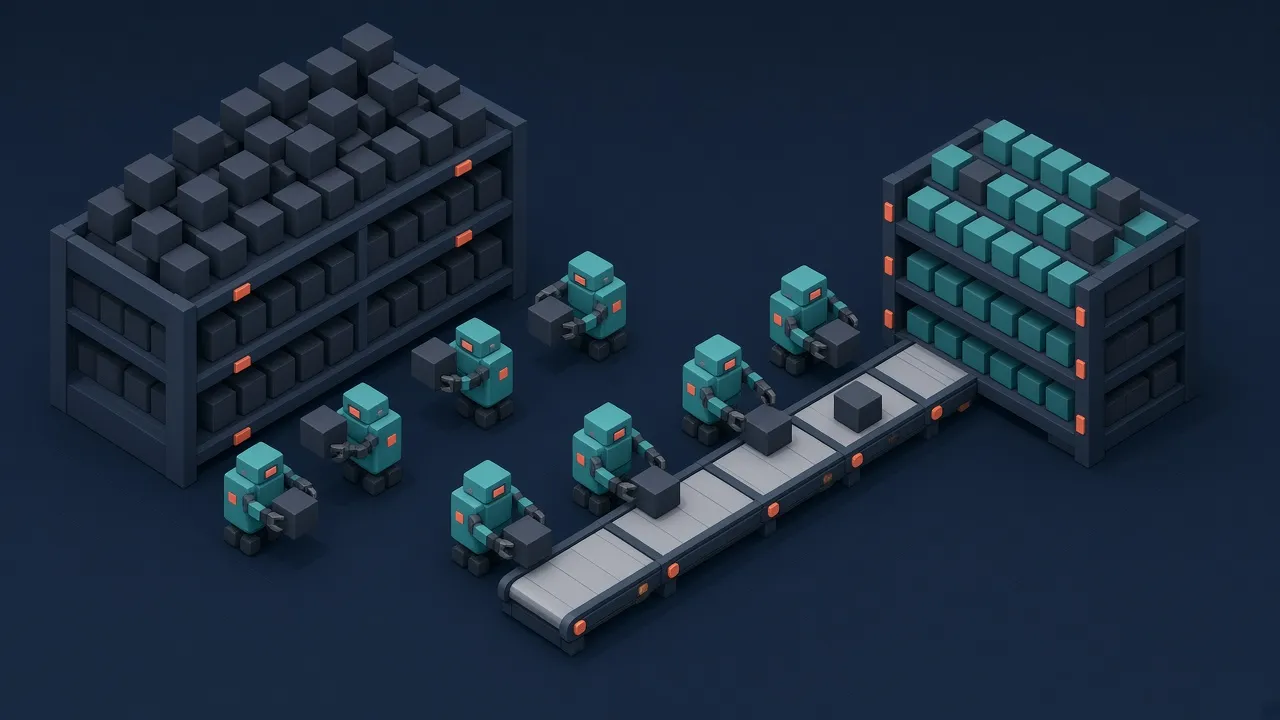
How it put an AI agent in the middle of 90 to 95% of customer interactions

Dropping homegrown infrastructure for cloud agents, and the productivity it brought

How it cut customer research to 15 minutes and doubled pipeline per rep

How AI merges 19 of 20 pull requests with no human involved

How Vercel cut inbound sales from ten people to one and kept conversion

Shadow-mode testing cut payroll turnaround time by 80%